DIY Roof Repair: Step-by-Step Guide to Tackling Common Roofing Issues
Resolving usual roof covering issues through do it yourself fixing can be a prudent option for homeowners aiming to mitigate prices and extend the life of their roofing systems. Comprehending the common problems-- such as leaks or missing shingles-- along with the required devices and security precautions, is vital for efficient resolution. The process starts with a thorough inspection, yet numerous discover themselves uncertain regarding the subsequent actions. As we check out the intricacies of roof repair, it ends up being evident that a methodical approach can make all the distinction in achieving a sturdy option.
Common Roofing Issues
When it comes to preserving the integrity of your home, dealing with typical roof covering problems is important. Homeowners usually experience a selection of roof covering issues that can compromise the structural security and visual charm of their home. One of the most prevalent concern is roof leakages, which can occur from damaged shingles, inappropriate blinking, or blocked gutters. These leakages can lead to water damages, mold growth, and increased energy expenses if not immediately dealt with.
An additional common trouble is the existence of missing or harmed shingles. Extreme weather, age, and bad setup can add to tile deterioration. Furthermore, signs of sagging or uneven roofing lines may indicate underlying structural issues that need instant attention.
Additionally, the buildup of debris, such as fallen leaves and branches, can catch moisture and advertise the growth of moss or algae, both of which can harm roof covering materials over time. Lastly, poor air flow can lead to warm buildup in the attic room, leading to early wear of roofing components (Roof Repair). By recognizing these common issues, homeowners can take positive steps to assure their roof coverings continue to be in excellent problem and safeguard their investment
Essential Devices for Repair Services
Attending to roofing concerns successfully calls for the ideal set of tools to ensure repair work are finished securely and successfully. A fully equipped toolkit not just facilitates the repair work process yet also improves the overall top quality of the job.
A durable ladder is essential for accessing the roof covering. Make certain it is ranked for the elevation and weight requirements of your task. Next off, a roofing nail gun can considerably increase the installation of roof shingles, while a hammer is crucial for more elaborate jobs.
A pry bar is invaluable for getting rid of old roof shingles or flashing, and an energy blade is needed for reducing products to size. Furthermore, a caulk weapon and roof concrete are necessary for securing leaks and protecting edges.
To ensure precise dimensions, a measuring tape and a square are vital. For safety and performance, take into consideration buying a pair of work handwear covers and security goggles. Lastly, having a bucket or tarpaulin accessible assists to collect debris and preserve a clean workspace. By assembling these vital devices, you position yourself for an effective do it yourself roof covering repair work experience.
Safety And Security Precautions to Think About
Safety and security ought to be an extremely important consideration during any kind of DIY roof covering repair work task. Participating in roofing work can be hazardous, and taking required preventative measures is crucial to avoid mishaps and injuries. Initially, always use appropriate individual protective devices (PPE), including a construction hat, non-slip footwear, gloves, and safety goggles. This gear will certainly assist safeguard against dropping debris and offer traction on slick surface areas.
Next, make certain that you have a steady ladder that is rated for your weight and the jobs you plan to do. Always position the ladder on a level surface area and have a partner hold it constant while you climb (Roof Repair). On top of that, it is vital to recognize weather; stay clear of working with the roof covering during rain, high winds, or severe temperatures, as these variables can boost the risk of crashes
In addition, acquaint yourself with your roof covering's framework and any possible threats, such as electrical wires or vulnerable areas. If your fixing entails eliminating tiles or various other materials, be mindful of sharp sides that might create cuts. By prioritizing safety and following these standards, you can lessen risks and attain an extra effective DIY roof covering repair experience.
Evaluating Your Roof
A detailed inspection of your roof is crucial before starting on any fixing job. This procedure allows you to identify prospective problems that may need attention, guaranteeing an extra efficient fixing approach. Roof Repair Company. Begin by examining your roof covering from the ground level, making use of field glasses if necessary, to get a clear sight of the tiles, flashing, and rain gutters
Try to find any type of visible indicators of damage, such as missing out on or curled tiles, rusted blinking, or built up debris in the rain gutters. Pay specific focus to locations around vents, smokeshafts, and skylights, as these prevail resources of leakages. If you really feel comfortable, carefully risen to the roof for a closer examination.
While on the roof covering, look for soft areas or drooping locations, which could show underlying structural concerns. Verify that all water drainage systems are working appropriately which water is routed away from the foundation. Record your searchings for and take pictures for recommendation. This extensive assessment will certainly offer you with beneficial understandings right into the current problem of your roofing system, aiding you focus on repair services efficiently and guaranteeing your home stays protected from the aspects.
Repairing Leaks and Splits
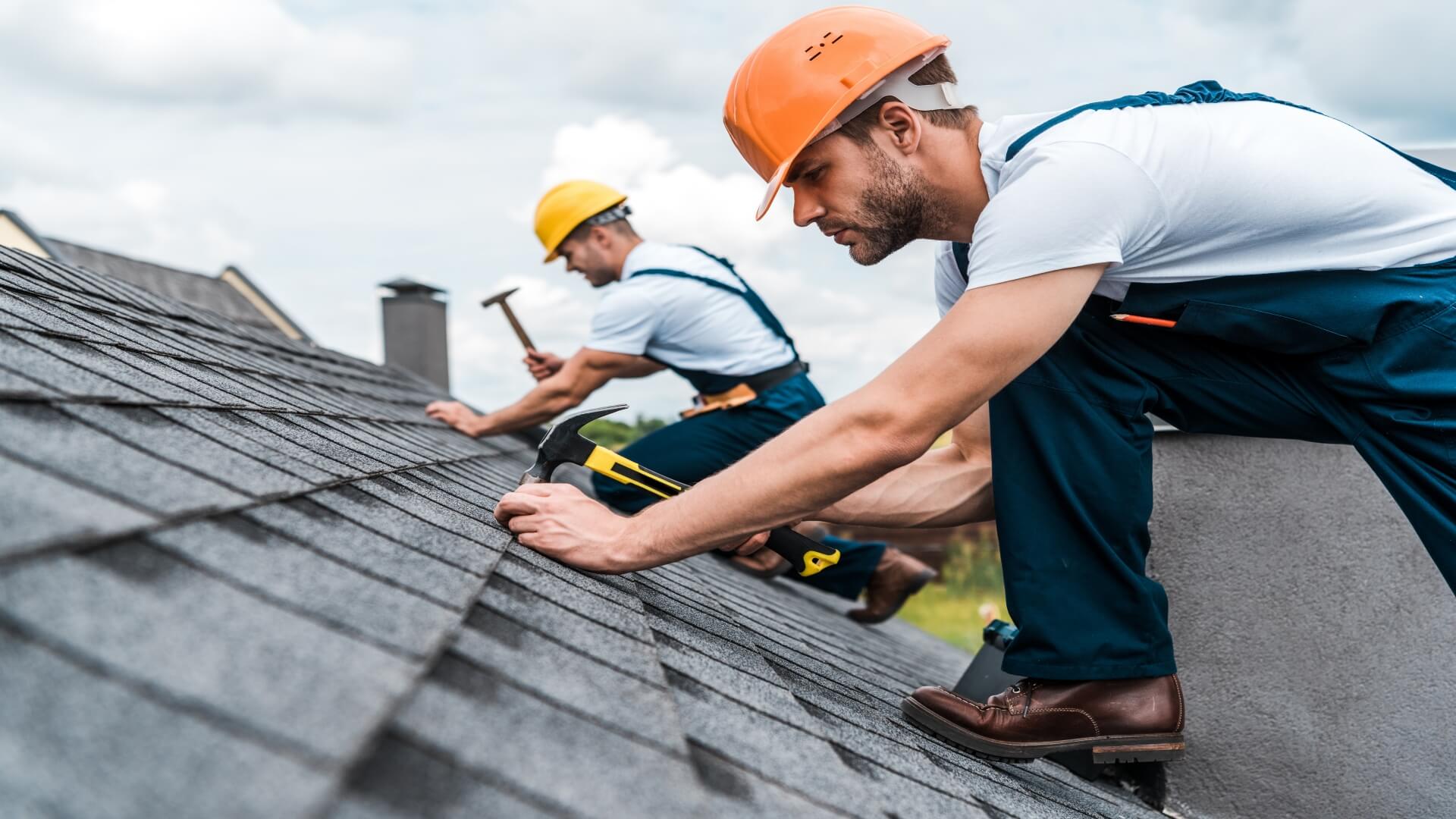
Searching for and taking care of leaks and splits in your roofing system is important to preserving its honesty and avoiding additional damages. To begin the repair procedure, conduct a thorough examination of the roofing system, specifically after serious climate condition. Look for visible indications such as water stains on ceilings, sagging areas, or harmed flashing.
As soon as you recognize the resource of the leak, clean the area around the fracture or leakage to guarantee correct adhesion of repair products. For small fractures, a premium roofing sealant can be used. Use a caulking weapon to dispense the sealant, ensuring it fills up the crack entirely and prolongs beyond its sides. Smooth the sealant with a putty blade for a seamless surface.
For bigger leaks or holes, take into consideration using a patching technique. Cut an item of roof material that extends at least two inches beyond the broken area. Apply roof cement to the bottom of the patch and press it strongly onto the leakage. Seal the edges with additional cement, guaranteeing a watertight bond.
After repair work, keep track of the area during rainstorms to validate the effectiveness of your job. Timely attention to leakages and fractures will extend your roofing system's life-span and maintain your home's safety and security.
Changing Missing Tiles
Replacing missing out on shingles is a vital step in preserving the integrity of your roof covering. To successfully complete this job, specific devices are called for, together with a clear understanding of the setup procedure. In the adhering to sections, we will certainly lay out both the required devices and a step-by-step overview to assure an effective substitute.

Devices Required for Substitute
When dealing with the issue of missing roof shingles, having the right devices at hand is essential for an effective repair work. A tough ladder is needed to securely access the roofing system. Make certain it gets to the optimal and is put on strong ground. Next, you will need a roofing hammer or a flat crowbar, which will certainly assist in getting rid of harmed shingles and nailing in replacements.
Additionally, an energy blade is important for trimming shingles to the wanted dimension, making sure a tight fit. You will also require roofing nails that match your existing tiles in dimension and color to keep visual uniformity. A caulking weapon with roof sealant can be advantageous for protecting sides and protecting against leaks.
To improve your safety and security, take into consideration making use of a safety belt and non-slip footwear while working with the roofing. Ultimately, a tarpaulin can be important for capturing particles and safeguarding your landscaping from dropping products. Having these devices handy will simplify the procedure, allowing you to effectively deal with the substitute of missing out on tiles and recover your roofing system to its perfect problem.
Installation Refine Explained
With the needed tools gathered, the installment process for changing missing roof shingles can start. Validate safety by putting on appropriate safety gear, consisting of handwear covers and a tough hat. Beginning by thoroughly getting rid of any type of damaged or loosened roof shingles bordering the area where the substitute is needed. Make use of a pry bar to raise the existing tiles carefully, taking treatment not to harm those still intact.
Next off, prepare the location for the brand-new shingle installment. Tidy the revealed surface area of any type of debris or old adhesive. If the underlayment is damaged, replace it to stop leakages. Select a brand-new tile that matches the existing roof in color and design. Placement the new tile according to the roofing's pattern, verifying it overlaps effectively with nearby shingles.
Safeguard the new shingle utilizing roof covering nails, putting them in the marked nail strip to avoid water infiltration. Apply roof glue under the shingle's sides for extra protection against wind and water. Finally, examine the completed setup for appropriate positioning and secure fastening. Dispose of any debris sensibly and perform a final check of the roofing system to verify all roof shingles are undamaged and appropriately secured.
Maintaining Your Roof
Keeping your roof covering is essential for prolonging its lifespan and protecting against expensive repair services. Normal evaluations permit homeowners to determine prospective concerns early, while efficient cleansing of debris guarantees appropriate water drainage and shields against water damages. By focusing on these upkeep tasks, you can protect your investment and improve your home's overall stability.
Regular Assessments Importance
Regular evaluations of your roof are necessary for its longevity and performance. By conducting routine assessments, homeowners can identify potential concerns before they escalate into costly repair work. A positive technique to roofing system upkeep warranties that small problems, such as loosened tiles or little leaks, are addressed quickly, therefore expanding the life of the roof system.
Examinations need to be set up a minimum of twice a year, preferably in springtime and autumn, to coincide with seasonal modifications that could affect roof integrity. Throughout these evaluations, look for signs of deterioration, including cracked or missing out on shingles, rusted blinking, or harmed gutters. I&E Roofing & Construction, Inc.. Additionally, take note of any unusual sagging or discoloration, as these might show underlying architectural issues
Documenting the findings of each evaluation can assist track the roofing's problem with time, making it much easier to make informed choices regarding upkeep or replacement. Additionally, keeping a tidy and clear roofing system can help in avoiding water accumulation and subsequent damages. Ultimately, normal inspections function as a critical component of an effective roofing system upkeep strategy, guarding your investment and assuring a risk-free environment for your home.
Cleaning Particles Efficiently
Reliable roofing system upkeep works together with keeping the surface area devoid of debris. Built up leaves, branches, and various other materials can bring about moisture retention, advertising mold growth and potential leakages. Routine cleansing is vital to prevent these concerns and extend the life expectancy of your roofing system.
Begin by securely accessing your roof covering, utilizing a tough ladder and proper safety and security gear. When on the roof, make use of a leaf blower or a mop to remove loose particles properly. For persistent products, a plastic scoop can be used to prevent damaging the roofing material. Be mindful around roof vents and smokeshafts, making sure that their functionality is not endangered.
In addition, it is vital to clean your seamless gutters and downspouts routinely. Blocked seamless gutters can create water to overflow, resulting in harm not only to the roof covering yet additionally to the home's structure. Use a garden hose pipe to clear out any kind of staying debris after getting rid of the seamless gutters.
Regularly Asked Inquiries
Exactly How Can I Tell if My Roofing System Demands Substitute Rather of Repair?

What Are the Indicators of a Roof Covering That Has Continual Tornado Damage?
Identifying tornado damages on a roofing system is essential for keeping its honesty. Key indications include missing or damaged tiles, visible leaks inside the home, granules collecting in gutters, and misaligned or bent flashing. Additionally, look for fractures or openings in the roof structure and examine for any sagging locations. If these indicators are present, it is suggested to speak with an expert for a thorough assessment and appropriate remediation activities.
Is It Okay to Fix My Roof Covering Throughout Rainy Climate?
Fixing a roof covering throughout stormy weather is generally unadvisable. Damp conditions can worsen safety threats, such as unsafe surfaces, and might impede proper adhesion of roofing products. Furthermore, wetness can jeopardize the efficiency of particular repair options, resulting in suboptimal results. It is recommended to wait on dry weather to assure a risk-free functioning environment and accomplish the most effective possible end result for the advice repair work. Focusing on security and performance is critical in roofing system upkeep.
Just how Frequently Should I Conduct Roofing System Inspections for Upkeep?
Routine roof covering assessments are vital for maintaining the integrity of your roofing system. It is generally advised to conduct complete inspections at the very least two times a year, ideally in the springtime and fall. In addition, post-storm assessments can identify damage that may have happened as a result of extreme climate conditions. By proactively dealing with prospective problems, property owners can expand the life of their roofs and avoid costly repairs in the future.
Can I Install New Shingles Over Old Ones?
Mounting new shingles over old ones is possible, however it is generally not advised. This method might save time and labor prices; nonetheless, it can cause irregular surface areas, increased weight on the roofing system framework, and prospective wetness retention problems. It is advisable to eliminate the old shingles to assure proper setup, improve the roof's long life, and keep service warranty protection. Consulting a roofing expert for customized advice is also recommended.